Sump & ejector pumps
Sump pump vs. ejector pump: which one does your home need?
The quick answer
A sump pump removes collected groundwater. An ejector pump moves wastewater from fixtures that cannot drain to the sewer by gravity. A home may need both; the right choice depends on what the system collects and where it must send it.
In this guide
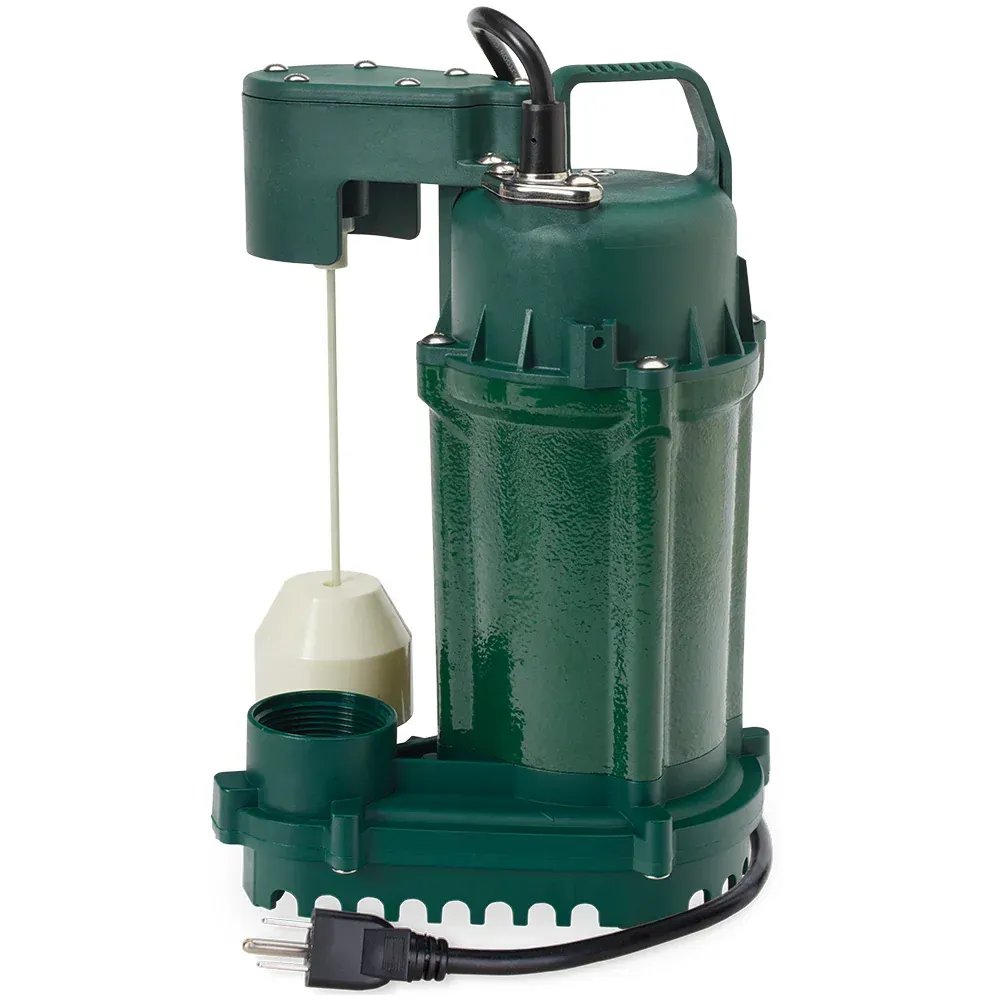
Two covered pits in a basement can look similar while serving very different purposes. Before buying a replacement pump or planning a basement bathroom, identify the job each system performs.
For a home in Plainfield or Naperville, start with the existing installation. A neighborhood name, a finished basement, or the color of the pump does not establish which equipment you have.
What is the difference between a sump pump and an ejector pump?
| Question | Sump pump | Sewage ejector pump |
|---|---|---|
| What does it move? | Collected groundwater | Wastewater, including sewage when rated for it |
| What does it support? | Basement water management | Below-grade plumbing fixtures |
| What determines the choice? | Water inflow and discharge needs | Fixture load, solids rating, and discharge needs |
Liberty Pumps’ explanation of pump types distinguishes drainage, sewage, and groundwater applications. Equipment must be rated for the material it handles. A pump being submersible does not make it suitable for sewage.
How can you tell which pump you have?
Start with information you can gather without opening a basin:
- Look for a label or paperwork. The model number and installation record are more useful than appearance.
- Note what is nearby. Tell your plumber whether there is a basement toilet, shower, laundry area, or other fixture.
- Notice when it runs. Does operation follow rain, use of downstairs fixtures, or both? This is a clue to share, not a diagnosis.
- Photograph the visible piping and lid. Take the picture from a dry, accessible area.
A sealed lid alone is not proof that a basin contains sewage. Sump covers can also be sealed. Zoeller’s basin specifications show different sump and sewage basin arrangements. Have a plumber trace the system if its purpose is uncertain; do not remove a sealed cover just to investigate.
Can a sump pump replace an ejector pump?
Do not substitute one simply because it fits in the pit. The replacement needs the correct application rating and performance for the installation. A sewage ejector is also different from a grinder pump; grinding capability should never be assumed from the word “sewage.”
During a sump or ejector pump service visit, ask for an explanation of the existing system, its discharge route, the replacement recommendation, and any alarm or backup options. That conversation is more useful than choosing by horsepower alone.
Keep a short record of the model installed and which fixtures or drainage system it serves. Store that information with your household maintenance records so a future service call starts with the right equipment.
Do both pumps need battery backup?
A backup sump system can provide another way to move groundwater when the primary pump fails or utility power is interrupted. Zoeller’s backup pump systems illustrate equipment designed to work alongside a primary sump pump.
That does not mean an ordinary sump backup is suitable for an ejector system. Ask about a backup arrangement rated for your equipment and load. Battery condition, pump demand, and system design affect how long backup operation can continue; a battery is not an unlimited power supply.
Useful questions include: Is there an alarm? Can someone hear it upstairs? Who will check the system while the home is empty? What maintenance does the manufacturer specify?
What should you do when a pump alarm sounds?
Record which alarm is sounding and what was happening at the time. If wastewater is backing up, stop using the fixtures connected to that system and arrange service. Keep people and pets away from contaminated water. Stay out of standing water near electrical equipment.
If you cannot identify the system, say so when you call. You do not need to remove the lid, reach into the pit, or repeatedly reset the equipment before requesting help.
For a new basement bathroom, have the drainage plan assessed before ordering fixtures. Our bathroom remodel plumbing checklist covers the decisions to make before construction.
Arrange pump service in Plainfield or Naperville
Send your address, the symptoms, and any safely obtained model information through our service request form, or call (815) 254-1677. Accurate Plumbing will confirm coverage and availability. You can also review our Naperville service area.