
Sump & ejector pumps
Why does my sump pump keep running? Learn what the pattern means
The quick answer
A pump that never stops and a pump that starts repeatedly have different possible causes. Watch whether the water level falls while it runs. Persistent high water, a float or control problem, or water returning to the basin can require different repairs.
In this guide
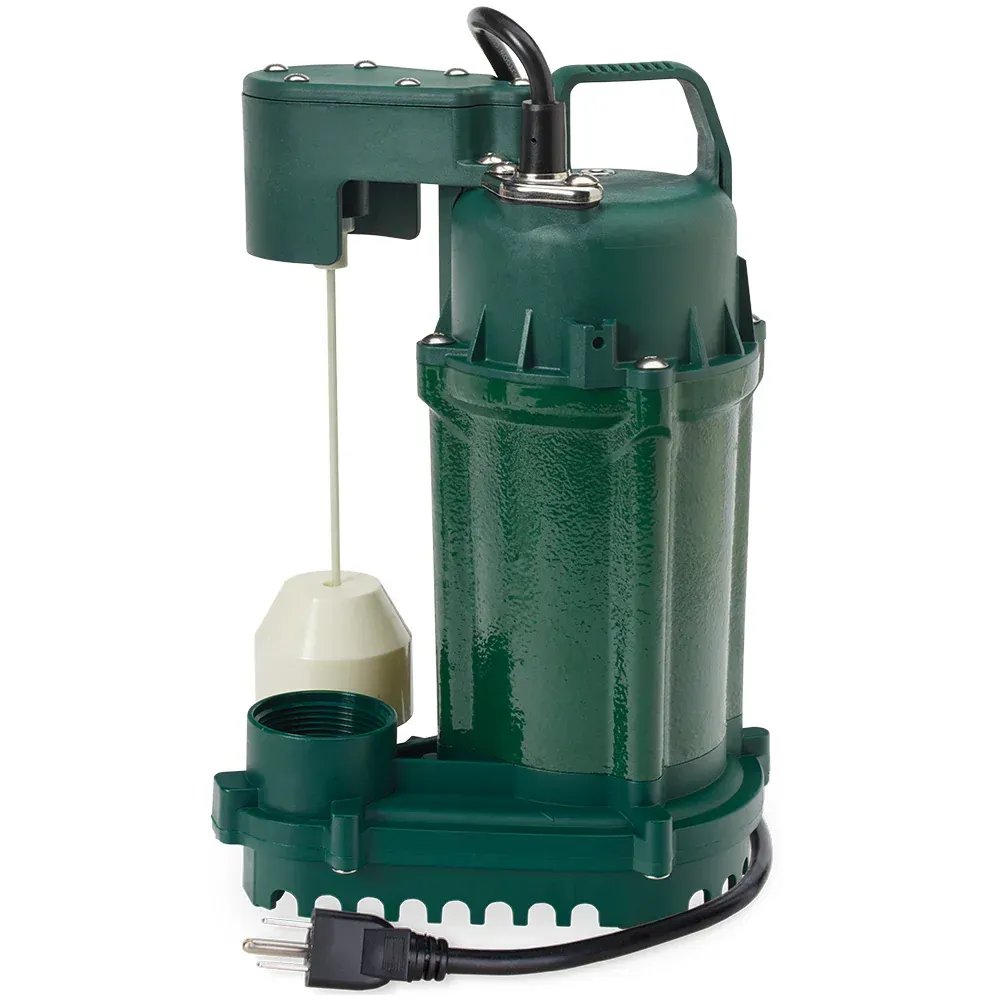
“It keeps running” can describe two very different things: a motor that never switches off, or a pump that switches off and starts again a few seconds later. Before assuming the pump needs replacement, separate those patterns.
This guide concerns a groundwater sump system. If you are unsure what your pit serves, first read sump pump versus ejector pump. Do not open a sealed sewage basin to investigate.
What should a normal pumping cycle do?
In a typical float-controlled sump system, rising water lifts the float until the switch starts the motor. The pump moves water into the discharge pipe. As the basin’s level falls, the float reaches the shutoff position.
The cycle depends on both the water coming in and the water leaving. Listening to the motor tells only part of the story. If it sounds busy while the water keeps rising, the system is not keeping up at that moment.
From a dry, safe position, note the water level and whether the motor actually stops. Keep hands, tools, and loose items out of the basin. Do not enter standing water near electrical equipment.
Is it running nonstop or starting too often?
Use this table to describe the behavior, not to choose a replacement part without an inspection.
| What you observe | What the pattern can suggest |
|---|---|
| Water stays high while the motor runs | Water removal is restricted, capacity is insufficient for current inflow, or the pump is not moving water effectively. |
| Water drops but the motor keeps running | The float or control may not be switching the pump off. |
| The motor stops, then starts again quickly | The basin refills quickly, the operating range is short, or discharged water returns. |
| A motor hums but the level does not fall | The motor sound does not establish that the pump is delivering water. |
Zoeller’s system troubleshooting guide distinguishes control, blockage, and pumping problems. Its repair procedures and settings are model-specific; they are not interchangeable instructions for every basement pump.
What does the check valve do?
A check valve is a one-way component in the discharge route. When the pump stops, it helps prevent the water in that pipe from draining back into the basin.
If water returns, the basin can reach the start level again quickly. Repeatedly lifting the same water is different from removing newly arriving groundwater. A service inspection can establish whether the valve, piping arrangement, or another condition contributes to the restarts.
Zoeller’s product-support FAQ also explains short cycling: frequent starts and stops are affected by basin size and the switch’s operating range. That range is not adjustable on every pump. Moving a float or fitting a larger motor without assessing the system can miss the cause.
Is running every five minutes normal?
There is no interval that proves every sump system is healthy. Compare the current pattern with the home’s usual behavior and record whether it changed around rain, thawing weather, or other water activity.
A useful observation is: “It starts about every five minutes, lowers the water, and stops.” That tells the technician more than “it runs a lot.” Another is: “It used to stop, but today the water is near the top while the motor stays on.” That is a different, more urgent situation.
Record a brief video from a safe position if you can do so without delaying help for rising water.
How long can it run before it overheats?
Do not use a universal time limit from an online answer. Operating limits depend on the pump model and the conditions it is running under. A sound alone cannot tell you whether the motor is adequately cooled, whether water is moving, or whether the pump is operating as intended.
Look up the model manual or give the service team the model number. Do not unplug a working pump simply to quiet it, bypass its switch, or repeatedly reset a tripping circuit. Burning smells, electrical faults, high-water alarms, or rising water call for prompt professional assessment; stay out of flooded areas.
What should you have checked before replacing it?
Ask for the cause of the behavior to be explained: water level, controls, discharge route, check valve, and the pump’s suitability for the installation. Also discuss the existing alarm or backup arrangement and how it is tested under its own instructions.
Keep the model, installation date if known, weather observations, and a description of the cycle together. For homes in Accurate’s Plainfield service area, our pump service page and request-service form are the next steps.