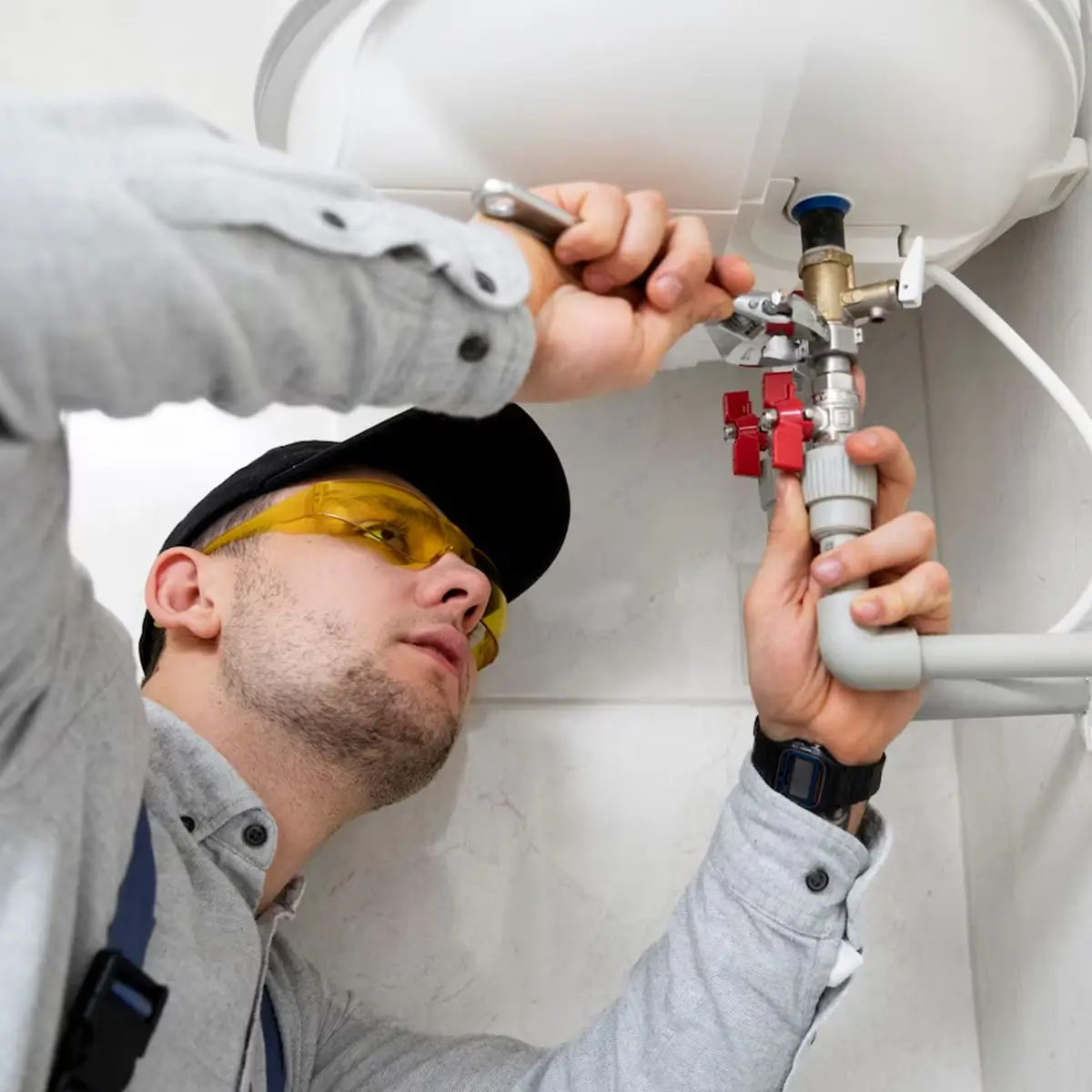
Water heaters
Tank vs. tankless water heaters: what changes for your home?
The quick answer
A tank stores heated water; a tankless heater heats water as it flows through. The right choice depends on your peak hot-water use, winter inlet temperature, installation requirements, and budget. Tankless can provide continuous hot water, but its flow capacity is still limited.
In this guide
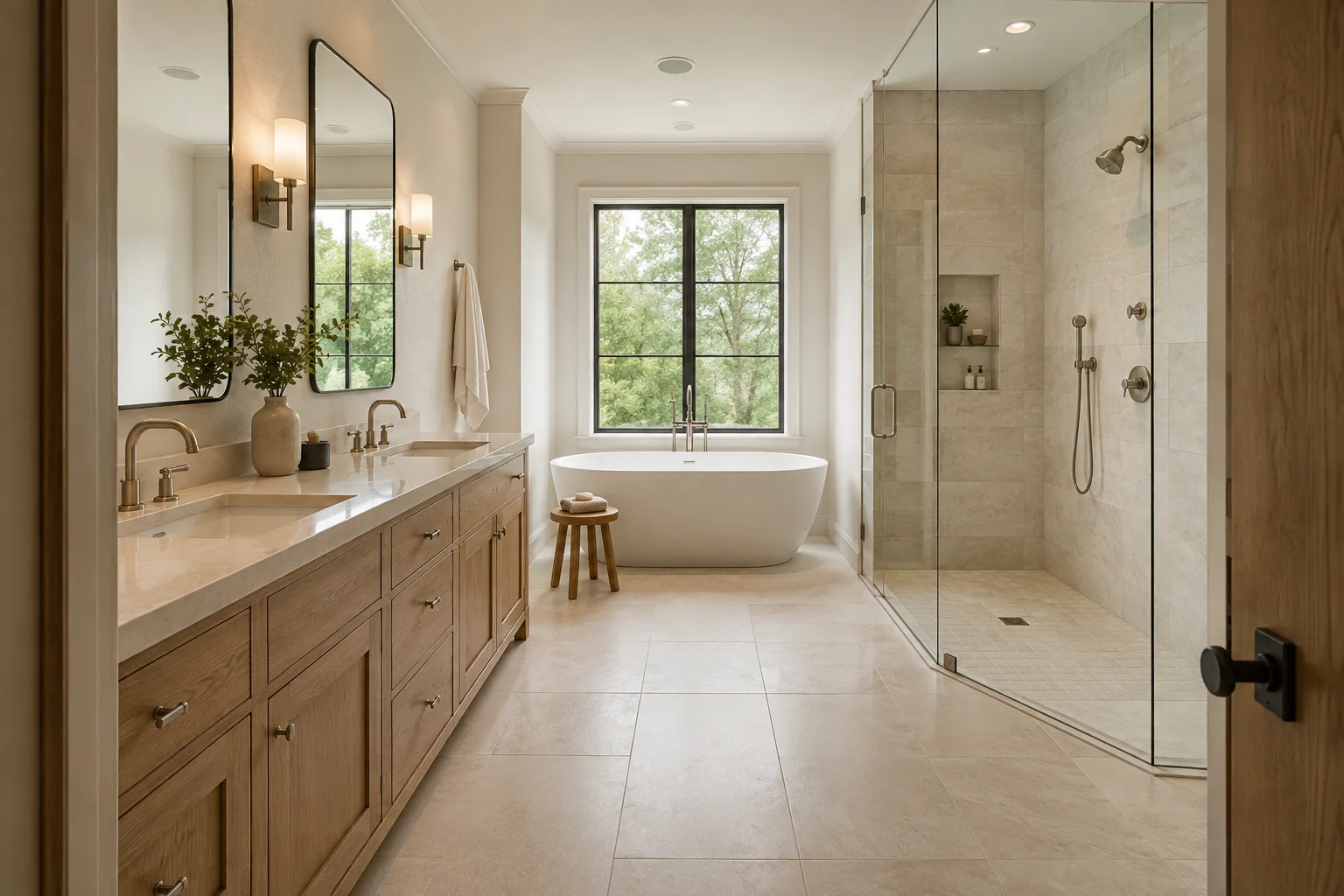
Two showers before school. A deep bathtub in a remodeled bathroom. Laundry running while someone washes dishes. These everyday situations tell you more about the water heater your home needs than the number of bathrooms alone.
For a home in Plainfield or Naperville, start with how you actually use hot water, then compare equipment that can meet that demand.
How does each type heat water?
A storage heater keeps a supply of water hot in an insulated tank. When you open a hot tap, heated water leaves and cold replacement water enters. The heater works to restore the stored supply. If you use hot water faster than the system can replenish it, you eventually notice cooler water.
A tankless heater warms water while it passes through the unit. There is no large stored supply to use up, but the heater can only raise a certain amount of water to the desired temperature each minute. A. O. Smith explains the two heating methods.
Think of a tank as a reserve that needs replenishing. Think of tankless capacity as a limit on how much hot water can be delivered at once.
Does tankless mean unlimited hot water?
It can mean continuous hot water within the unit’s rated capacity. It does not mean every shower, faucet, and appliance can demand as much as it wants simultaneously.
Ask about the flow available under the conditions at your home. A large maximum gallons-per-minute number on a product page is not enough by itself to size the installation.
| Question to ask | Why it matters |
|---|---|
| Which fixtures run together? | The heater must meet simultaneous demand. |
| What happens during winter? | Colder inlet water needs a greater temperature increase. |
| Is a large tub part of the plan? | Filling it changes the household’s hot-water requirement. |
| What changes are needed at the house? | Utility capacity and installation work affect the choice. |
Why does winter water temperature matter?
The heater must bridge the gap between incoming water temperature and its output temperature. That gap is called temperature rise.
For illustration, raising water from 40°F to 120°F requires an 80°F rise. Starting at 60°F requires a 60°F rise. These are example temperatures, not measured Plainfield water temperatures or advice to change a thermostat.
For a given tankless heater, a larger required rise generally means less available hot-water flow. Rheem’s sizing guide explains why winter inlet conditions and simultaneous use belong in the calculation. Have the installer show you the selected model’s performance at the conditions used in your estimate.
Will hot water reach the shower immediately?
Changing the heater does not remove the water already sitting in the pipe between the heater and the shower. That water still has to move through before newly heated water arrives.
Recirculation is a separate design consideration. Rheem’s tankless questions guide discusses how compatible recirculation arrangements address the wait. Ask whether the proposed system includes it, whether your piping supports it, and what controls it uses. Do not assume every tankless installation provides instant hot water at every tap.
What should you compare besides the purchase price?
Compare complete installed options: equipment, any gas or electrical work, venting where applicable, condensate arrangements where required, permits, and removal of the old heater. Ask which items apply to each quoted model.
Maintenance also belongs in the comparison. Requirements depend on the equipment and water conditions. Obtain the manufacturer’s schedule rather than assuming tankless means maintenance-free.
A. O. Smith’s whole-house tankless guide discusses upfront installation differences and maintenance. Actual savings depend on usage and energy costs; a generic percentage is not a prediction for your home.
Which option should you choose?
Bring three things to the discussion: the current heater’s model, a description of what is unsatisfactory, and your busiest hot-water routine. Add any planned bathroom changes using our remodel plumbing checklist.
Ask the installer to explain why each option meets that routine, what compromises remain, and what the full work includes. A leaking tank is a separate immediate concern; our water-heater leak guide explains first steps.
For help comparing a replacement in Accurate’s service area, explore our water-heater services or request a conversation.